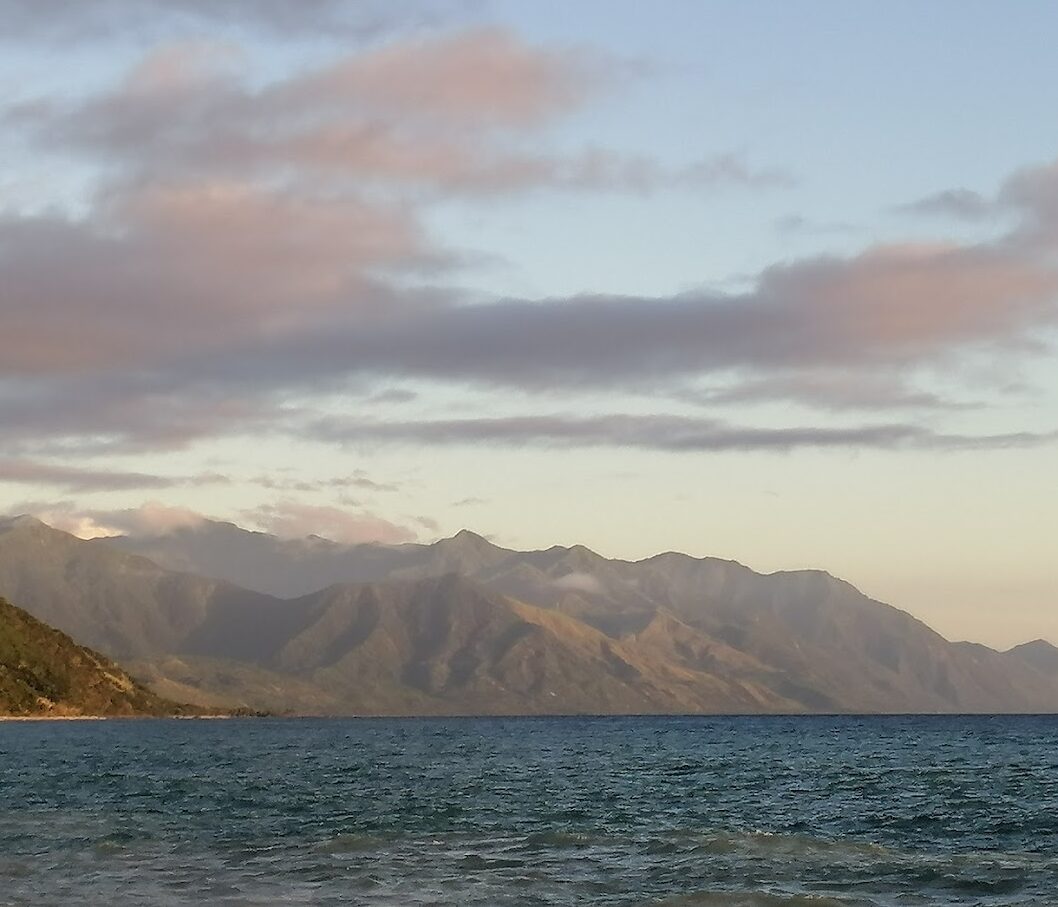
The 8th Adaptation Futures conference will be held in Ōtautahi Christchurch, New Zealand from October 13-16, 2025. The climate challenges of Pacific island nations will form a key part of the event.
Vanuatu, a collection of 83 islands separated by around 1,300 km deep in the South Pacific Ocean, is among a group of ocean states widely regarded as uniquely exposed to climate change.
The World Risk Index, created by German academics and NGOs, has consistently ranked Vanuatu as the world’s most vulnerable country to climate risks and natural disasters.
Advertisement
Geography plays a large role in this because of Vanuatu’s proximity to the Pacific “Ring of Fire” – an area of strong volcanic activity and earthquakes – and its position close to the centre of a cyclone belt. Cyclonic storms have become more frequent and powerful in recent years due to global warming.
Category 5 tropical cyclones – the most severe – are particularly occurring more often. In 2015, Cyclone Pam damaged an estimated 90% of all buildings in Vanuatu and impacted half the population. This was followed by Cyclone Harold in 2020 when winds of up to 125 miles per hour caused an estimated US$768 million in damages across the Pacific.
Another reason for Vanuatu’s vulnerability is its scattered population around coasts that are exposed to rising sea levels. A total of 325,000 people live across 65 islands, characterised by rugged terrain and limited infrastructure.
Despite these limitations, the country is finding new and innovative ways to protect its population against climate threats and regain its economic competitiveness.
An ongoing project on the country’s largest island, Espiritu Santo, is trialling techniques to support communities adapt. The project grant – funded by the Adaptation Fund and managed by UNDP through the Adaptation Fund Climate Innovation Accelerator (AFCIA) – focuses on a number of areas that can benefit these isolated communities. Key components include ecosystem restoration, disaster preparedness, improving food security and strengthening institutions.
Women on Western Santo are retraining in sustainable handicrafts to diversify income. (Image: SSEN)
Women on Western Santo are retraining in sustainable handicrafts to diversify income. (Image: SSEN)
Disaster committees
The Paris Agreement set a clear goal of limiting global temperatures to well below 2 degrees Celsius with the aim of keeping to a safer ceiling of 1.5C above pre-industrial levels.
Advertisement
Under current scenarios, where average temperatures increase by more than 2C, island nations such as Vanuatu are predicted to lose 20% of their GDP each year due to climate disasters. This is despite data which shows Vanuatu contributed less than 0.01% of global carbon dioxide emissions.
Joses Togase, a project manager at Santo Sunset Environment Network (SSEN), an Indigenous environmental group on the island, told Climate Home News that people in the region are facing serious threats from climate change. “Rising sea levels are damaging the coastal zones and eroding valuable local resources that people depend upon to support their livelihoods,” he said.
Further inland, he commented, people are experiencing an increase in landslides, soil erosion and flooding which is impacting crop production, forest cover and access to freshwater. “The unpredictable changing weather, heavy rainfalls, droughts, very rough storms, and more frequent tropical cyclones are major challenges the communities are facing,” he added.
In response, the Espiritu Santo project has supported community leaders, forest rangers and climate-related disaster committees to adapt to a changing climate. In 2023, the island was hit by two Category 5 cyclones within a week. The committees – with the help of the SSEN – immediately undertook a damage assessment and identified emergency needs so the government could act quickly.
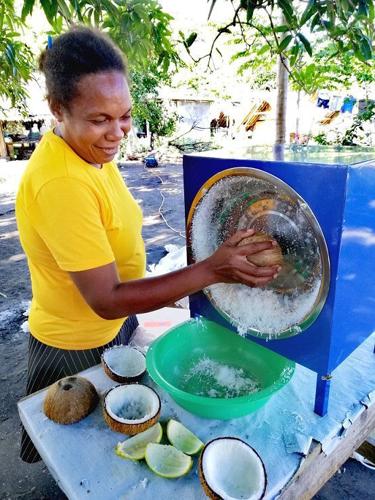
In the future, this work will be supported by an upgraded early warning system and improved internet access – thanks to solar-powered satellite communication – to allow the community to access live weather advice.
A woman demonstrating how to use a solar-powered coconut grinder. (Image: SSEN)
A woman demonstrating how to use a solar-powered coconut grinder. (Image: SSEN)
How to farm smart
Food security is often a concern in remote regions and extreme weather adds another layer of vulnerability to communities on Vanuatu. Under these circumstances, subsistence farmers need to switch to crops which have higher yields in a shorter growing season and are able to withstand much harsher weather conditions.
The project, alongside encouraging families to maintain their traditional methods of food production, is seeking to raise awareness of climate-smart agriculture. Demonstration plots have been established to plant drought-resistant crops, such as manioc, kumara and taro.
Growing cover crops between seasons to protect the soil, and intercropping, where more than one crop is grown side-by-side in the same field, are also promoted. These practices are designed to improve soil health, prevent erosion and protect against extreme weather.
Togase believes these practices should be shared with other Pacific islands facing similar climate threats. “The traditional planting calendar, food crop planting and preservation are some of the important lessons,” he commented.
Human settlements on Vanuatu date back over 3,000 years. In that time, Indigenous peoples have dealt with a range of environmental risks. The climate crisis is the latest in that series and local people are looking to utilise – and adapt – traditional ways of life to overcome these challenges. Groups such as SSEN provide an important connection between the community and government as they collectively navigate a way forward.
According to Togase, recent interventions on Espiritu Santo have “increased understanding and realisation among the local people to become more conscious and alert” in mitigating climate threats. This has, in part, been achieved through Indigenous knowledge sharing and respecting community governance.
As Vanuatu faces an uncertain future, its people aren’t shying away from these threats, but using nature, existing customs and new ideas to their advantage.
Adam Wentworth is a freelance writer based in Brighton, UK
Our unprecedented reporting provides experts and professionals globally with the analysis and insight they need to navigate the most important climate issues.
Trusted by the UN, World Bank, and governments around the world, sign up today and see why our award-winning coverage has been considered the authority for almost 15 years.
Essential
£0
A few top stories each week alongside our Climate Weekly newsletter.
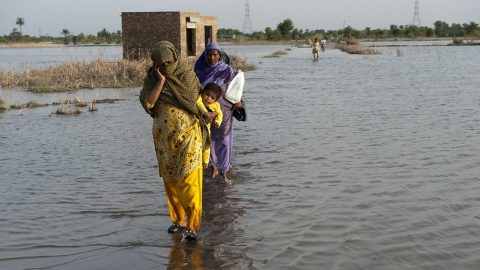
Across Asia, the installation of early warning systems, alongside community involvement, is now viewed as a key response to the ever-present threat of climate disasters.
COP30’s headline win – the creation of the first global Just Transition mechanism – did not materialise overnight. Born out of years of work, it flourished during two weeks of civil society alignment in one of the few negotiating tracks that gained momentum
Spain has made good progress in supporting workers to transition away from fossil fuels. But trade unions are pushing for stronger efforts to renew rural life
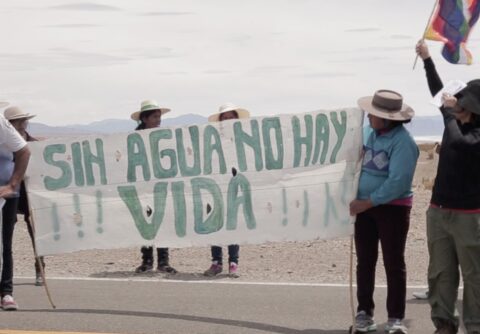
Rich in lithium but poor in water, traditional Andean communities want the world to recognise the pitfalls of surging demand for minerals vital to the global energy transition
Across the world, people hosting renewable energy projects are seeing few rewards. Advocates say a Belém Action Mechanism could make the green transition fairer
As importers face new costs under the Carbon Border Adjustment Mechanism, many are finding the biggest savings do not necessarily come from swapping to cleaner production
As the Iran war upends global energy markets, governments and consumers are cutting back – potentially locking in demand reductions that could lower the outlook for planet-heating emissions
Oil and gas blocks overlap with a fifth of forests in the Amazon, Congo Basin and SE Asia – policies are needed to transition away from fossil fuels and halt deforestation together
New UN-supported forum should challenge a global system that leaves many Global South nations with zero fiscal breathing space to navigate climate disasters and economic crises
Amid aid cuts, donor governments pledge less nature and climate funding to the Global Environment Facility (GEF), with the four-year package to be finalised in late May
Meeting the goal requires political will and a pathway that brings together efforts and drives implementation. An international roadmap can deliver this
Stay ahead with our unrivalled coverage
We provide experts and professionals around the world with the analysis and insight they need to navigate the biggest climate issues and negotiations.
To provide the best experiences, we use technologies like cookies to store and/or access device information. Consenting to these technologies will allow us to process data such as browsing behavior or unique IDs on this site. Not consenting or withdrawing consent, may adversely affect certain features and functions.
Functional
Always active
The technical storage or access is strictly necessary for the legitimate purpose of enabling the use of a specific service explicitly requested by the subscriber or user, or for the sole purpose of carrying out the transmission of a communication over an electronic communications network.
Preferences
The technical storage or access is necessary for the legitimate purpose of storing preferences that are not requested by the subscriber or user.
Statistics
The technical storage or access that is used exclusively for statistical purposes.The technical storage or access that is used exclusively for anonymous statistical purposes. Without a subpoena, voluntary compliance on the part of your Internet Service Provider, or additional records from a third party, information stored or retrieved for this purpose alone cannot usually be used to identify you.
Marketing
The technical storage or access is required to create user profiles to send advertising, or to track the user on a website or across several websites for similar marketing purposes.